Pros and Cons of Swaddling for Sleep

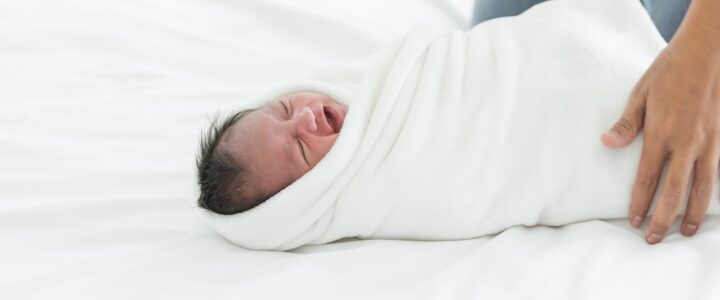
When babies are swaddled for sleep they miss the benefits of movement.

When babies are restricted from moving they can’t effectively build strength and coordination in their bodies. The only way they can learn how to move and use their bodies is to actually do it.

If babies rarely stretch their arms, move their legs, wiggle their toes and touch their bodies, their learning and development may be delayed. Read more

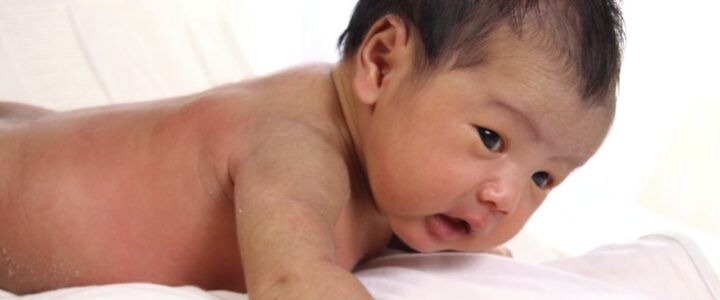
Tummy Time How-To

Tummy Time Is a Therapeutic Intervention

It is NOT an occasional playtime activity reserved only for babies who like it. All babies benefit from awake time in the belly-down position. Tummy Time helps babies develop their cervical and lumbar spinal extension curves. It helps babies who have soft tissue restrictions or tension, torticollis, plagiocephaly, brachycephaly, and oral motor issues. It promotes social engagement.

It is the essential antidote for the for the potential developmental delays associated with the effects of supine sleeping and too much time spent in car seats (any time that’s not a car ride), baby swings, bouncy seats, jumperoos, bumbo seats, rock ‘n play seats, mamaroo seats, supine baby activity centers, strollers, etc.

Babies who never spend time in the prone position will never crawl before walking. Crawling on hands and knees in a cross pattern before walking is essential for normal brain and body development.

During the first three weeks of life babies may do tummy time on the parent or caregiver’s chest or lap. After that, it should be on a surface.

Read more

Infant Neck Strengthening Recommendations for Parents and Caregivers

Stretching Doesn’t Help

Stretching has NOT been shown to be clinically effective for resolving torticollis.

What to Do Instead

The following recommendations help with neck and back strengthening. This can prevent and reduce the development of positional plagiocephaly or flat spots on one side of the back of a baby’s head.

Read more

The Safe to Sleep Program, SIDS and SUID

Why are We Putting Babies to Sleep on Their Backs?

The Hong Kong Studies

In 1985 after retrospectively investigating only 15 deaths, researchers concluded that that Hong Kong had a much lower rate of unexplained infant deaths than that of Western countries. They cited a low incidence of preterm birth in Hong Kong (a known risk factor for unexplained infant death) and two significant differences in infant sleep environments — crowded living conditions and the traditional Chinese practice of putting babies to sleep on their backs. Given the absurdity of recommending crowded living conditions and the unlikelihood of reducing preterm birth, they went with the supine sleep recommendation in their conclusions. Read more

Eat

Parents ask me about solid food introduction all the time. Here’s my take on it.

Babies Need Iron

Babies store iron in their bodies while they gestate. Milk has next to no iron in it. At some point after birth, babies’ iron stores begin to diminish. This is often when they show signs of interest in iron-rich solid food. Hopefully, this occurs around the time they are developmentally ready in other ways. Unfortunately, some babies have their cords clamped and cut too soon after birth and don’t get all of their own iron-rich blood – some of which remains in the placenta or umbilical cord. This can lead to anemia down the road or a premature necessity for solids or supplements before the baby is otherwise ready. Read more

Things We Do (After Birth) to Prevent Babies From Moving

I can’t leave The Stuck Baby Series without describing baby immobilization and container lifestyle. In this article I outline the most significant ways in which we prevent our babies from moving after they are born. It seems like the perfect preparation for a sedentary life in a recliner in front of a screen. Read more